Meta Quest 3 Strip Cams: The Sites Worth Your Bandwidth in 2026
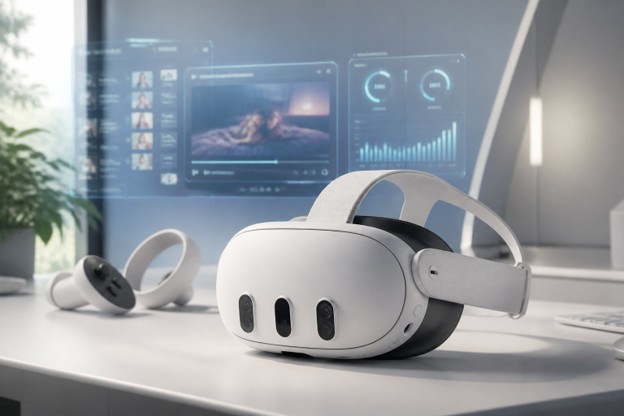
You can load a sharp-looking Quest 3 strip-cam stream and still know within seconds that something is off. The image may look clean in a preview window, but once the headset is on, every small delay between your head movement and the frame update becomes obvious. A slightly softer stream that tracks instantly can feel more convincing than a crisp feed that arrives late.
This guide treats presence as an operational problem, not a screenshot quality contest. Timing, bitrate stability, browser behavior, and the delivery pipeline all have to line up at once. A laggy, flat theater-mode stream is the fastest way to ruin what should feel genuinely immersive on the Quest 3. The sections below show how to identify platforms that actually deliver low-latency VR streaming, high bitrate, and real stereoscopic depth. If you want to test a specific site right now, skip ahead to the How to Verify a Site in Ten Minutes section.
Core Explanation: Presence and the Latency-Impairment Gap
The Latency-Impairment Gap describes the delay between your head movement and the frame that reaches your eyes, and it is the single biggest driver of perceived presence in VR. The practical issue is not that latency exists, because every stream has some delay. The issue is what happens when the delay becomes visible. The experience does not degrade smoothly. It feels slightly disconnected, then oddly artificial, then uncomfortable enough that many users stop blaming the site and start blaming the headset.
Published VR developer guidance and real-world streaming data both point to roughly 40–60 ms head-to-frame round-trip as the practical limit for felt realism. Meta's developer documentation and the W3C WebXR specification both treat tight frame delivery as foundational. Push past that ceiling and many users notice detachment or mild nausea before they can name what is wrong. The body reacts to bad timing faster than the mind explains it.
Platform marketing leads with resolution and frame rate because those numbers are easy to advertise. Round-trip latency, bitrate stability, and reprojection artifacts rarely get the same attention because they are harder to package into a banner claim. For headset viewing, a lower-resolution stream with tight timing holds attention far better than a sharper feed with sloppy delivery. Resolution tells you how detailed a frame can be. Latency decides whether that frame feels attached to you.
What Quest 3 Actually Needs from a Strip-Cam Site (Technical Must-Haves)
Once you understand that presence is mostly timing, the technical requirements become easier to judge. Three factors separate a genuinely immersive WebXR strip-cam experience from a flat video floating in a virtual room. Miss any one of them and things fall apart quickly. Typical targets drawn from Meta developer guidance and hands-on testing: sustained 15–40 Mbps for stereoscopic 180 streams, codec dependent, and head-to-frame latency of approximately 40–60 ms for comfortable presence.
Native WebXR / true passthrough is non-negotiable for a convincing experience. A flattened video layer inside a 2D browser compositor kills immersion regardless of resolution. You should see an in-player "Enter immersive" or VR icon that launches a head-locked, stereoscopic view, not a 2D screen floating in a virtual theater. Labels vary by firmware, so focus on whether the player actually enters an immersive stereoscopic view, not the exact menu wording. The first thing people usually notice when this works is not sharpness, it is that the scene stops feeling pasted onto a wall.
Correct bitrate negotiation (WebRTC/WebTransport) matters because the server and browser must agree on a high-bandwidth flow, not squeeze a compressed 2D feed into a flat player and hope the headset disguises it. If the platform exposes an in-player "Stats" pane, it should show sustained high Mbps without wild swings. WebRTC remains the dominant protocol in 2026; WebTransport is still largely experimental. A stream that constantly hunts for bitrate may look acceptable for a few seconds, then collapse exactly when movement makes quality matter most.
Stereoscopic 180° delivery pipeline is the practical difference between watching a stage and actually feeling present in the room. Look for 180/SBS or stereoscopic toggles, then confirm that head movement produces parallax in both eyes. Resolution claims mean nothing without a verified pipeline behind them. A weak shortcut is assuming a VR button proves a VR stream. Often, it only proves the site knows where to place a button.
These requirements are not about chasing the most elaborate setup. They are about avoiding the wrong bottleneck. Many buyers start by asking, "Is this site high resolution? " The better question is, "Does the stream remain spatially believable when I move? " If the answer is no, every other spec becomes secondary.
How to Optimize Your Quest 3 for the Highest-Quality Strip Cam Experience (Step-by-Step)
Step 1, Network: Prefer 6 GHz / Wi-Fi 6E or a wired relay. For high-bitrate VR, aim for sustained throughput that matches the stream's target, typically 20–40 Mbps for quality stereoscopic content, and spot-check over 30–60 seconds to confirm the rate holds. An overloaded 5 GHz network is the single biggest limiter of sustained Mbps in practice; moving to 6 GHz cuts contention and stabilizes bitrate fast. Close background apps and disable any VPN or proxy before testing. Both add round-trip latency that directly widens the Latency-Impairment Gap.
A practical issue many users miss: the headset's native Quest Browser is often the bottleneck, not the site itself. A rock-solid 6E connection can still produce stuttering if the browser is throttling WebRTC negotiation or if the player falls back to a less efficient delivery path. Before blaming the platform, confirm whether the browser is actually receiving the stream the site claims to offer.
Step 2, Browser configuration: Use the headset's native browser or a WebXR-enabled build. Enable immersive mode from the player controls, look for "Enter immersive," a VR icon, or equivalent. If the player exposes quality or high-bitrate settings, turn them on. The decision is simplicity versus control: the native browser is the safest default, while alternative browsers can unlock more performance only if you are willing to troubleshoot permissions, codecs, and occasional compatibility failures.
Step 3, Platform and performance settings: Once you are in the stream, open the in-player stats overlay if the platform offers one. You want sustained, stable Mbps and a modern codec: AV1, HEVC, or VP9. The practical issue is not always speed. It is consistency. A stream that jumps between quality levels forces your eyes and brain to keep re-adapting, which is exactly what breaks presence.
Which Platforms to Prioritize in 2026, Sites Worth Your Bandwidth
No platform tested in 2026 passed every in-headset check cleanly. That may sound disappointing, but it is also useful: it means the safest recommendation is not a brand name, it is a verification method. This guide gives you the steps to identify the sites worth your bandwidth yourself. Only evaluate platforms that clear three tests: native WebXR or true stereoscopic passthrough, stable high-bitrate delivery, and proven 180°/SBS output inside Quest Browser. A platform name means nothing until you have validated it directly on the headset.
When you land on a candidate site, these green-flag checks take under a minute:
Signal test Confirm an immersive or VR mode that fills your full field of view. A flat 2D screen floating inside a virtual theater is an immediate fail. It may still be watchable, but it is not the experience the Quest 3 is capable of delivering.
Interaction test Activate the 180/SBS or stereoscopic toggle and move your head. You should see visible parallax in both eyes within seconds. If nothing changes, the toggle is cosmetic and the stream has not actually switched, move on. The useful test is not whether the interface changes, it is whether your perception changes.
Header test Open the in-player stats overlay if available. Look for stable, sustained Mbps and a modern codec, AV1, HEVC, or VP9, with minimal oscillation over 30–60 seconds. No overlay? Lack of transparency is not always proof of failure, but it does shift more burden onto your in-headset test.
If you hit any of these red flags, leave immediately:
Only a flat 2D "theater" view with no immersive option
No stereoscopic toggle or SBS setting anywhere in the player
Bitrate overlays that spike and crash rather than holding steady
Visible motion smoothing or reprojection trails when you turn your head quickly
Support staff unable or unwilling to describe the platform's delivery pipeline
The stereoscopic toggle is the most common failure point. It either is not there or it is purely cosmetic, switching a layout flag without changing the actual stream. You will know within about 30 seconds of moving your head. When you do find a platform that passes, check its subscription tiers before committing. Bitrate ceilings often vary by plan, sometimes significantly. Paying more is not automatically wrong, but paying before you know the ceiling is a risky shortcut.
Suggested original visual: Side-by-side in-headset screenshots comparing a proper stereoscopic 180° stream vs. a 2D theater-mode stream on Meta Quest 3, showing visible parallax difference and player UI.
Safe Defaults and When to Escalate
Beginners: Stick to the headset's native Quest Browser and platforms that explicitly advertise Quest 3 support. This sidesteps most configuration pitfalls. If immersive mode is missing or head tracking lags once you are nominally in VR view, you are almost certainly looking at a 2D wrap. Move on rather than troubleshooting it, the platforms that actually work make it obvious within seconds. The point where beginners usually give up is after trying to fix a site that was never delivering a real VR stream in the first place.
Advanced: For higher sustained bitrates, a sideloaded WebXR browser or a local streaming relay, PC to local server to Quest, can bypass browser codec caps and meaningfully cut round-trip latency when tuned correctly. Both options add real troubleshooting overhead and some security considerations. Only go this route if you are comfortable with WebRTC delivery and low-level network configuration. Sideloading and custom relays may also affect platform guarantees, so exhaust the native browser options first. Advanced setups are worth it when the site is good but your local path is weak. They are wasted effort when the platform itself is the bottleneck.
Common Mistakes That Kill Immersion (and How to Spot Them Quickly)
Using Incognito mode WebXR permissions do not persist across Incognito sessions, which breaks immersive mode silently. Switch to a standard browser profile so permissions stick between visits. This is frustrating because it looks like a platform failure, but the actual issue is permission state. If the same site behaves differently after a normal browser session, you have found the culprit.
Ignoring lens IPD and fit Poor headset fit amplifies reprojection artifacts and makes latency feel worse than it actually is. Adjust IPD and strap tension before blaming the stream. Even a small correction can sharpen the image noticeably and cut ghosting. A familiar pattern is that users spend an entire session chasing network settings when the headset is simply sitting wrong on the face. Hardware variables bleed into the streaming experience more than many people anticipate.
Overlooking reprojection and motion smoothing If the scene looks like it is lagging and then catching up, that is reprojection, not true low-latency frames. Reduce in-player motion smoothing and confirm you are in a genuine stereoscopic view rather than a flat player with head tracking bolted on. The difference is more noticeable than expected once you know what to look for. Reprojection is useful when it hides occasional frame loss. It becomes a problem when it becomes the experience.
How to Verify a Site in Ten Minutes (Site Verification Tests)
Run these three checks before you commit time or money to any platform. Each targets a different failure mode, and the whole process takes under ten minutes. The goal is not to prove that a site has impressive technology. The goal is to prove that your headset, your network, your browser, and that platform can hold together in the same session.
Signal test Run a short throughput check in-headset and confirm stable Mbps against the site's advertised bitrate. A pass means throughput holds near the stream's target for at least 30 seconds. Wild fluctuation is upstream of everything else, fix it before moving on. If the signal is unstable, every later test becomes misleading.
Interaction test While the stream runs, move your head quickly and watch for immediate frame updates. Any lag or trailing reveals the latency gap directly. If there is visible delay, the platform is not delivering true low-latency VR, whatever the marketing claims. This is the most human test in the guide because it measures what you actually feel, not what a status panel reports.
Header test Open the in-player stats overlay if the platform offers one. A pass means confirmed WebRTC delivery and a clearly reported bitrate. If no overlay exists, ask support to confirm their delivery setup and expected bitrates. An honest service will point you to documentation. Silence is a red flag. The absence of a stats panel is not fatal, but vague support answers should make you cautious.
After all three, cross-reference your results against Meta Quest 3 community threads. A single session has limits, peer verification adds a useful second layer. Community reports are not laboratory proof, but they can reveal recurring failures that only appear across different routers, firmware versions, and peak traffic periods.
When exploring a candidate platform, look for these controls before assuming a feature is missing:
Toggle passthrough or enter immersive/VR mode
Switch to 180/SBS or stereoscopic output
Enable high-bitrate or quality mode in the player
Labels shift between firmware versions. What matters is whether the player actually enters an immersive stereoscopic view. Open the site in Quest Browser, tap the three-dot menu, confirm an immersive or VR mode option is present, then verify that head-tracking updates are immediate while the stream is live. Run this once per candidate platform. The better habit is to test before you subscribe, not after you are invested.
Where to Compare VR Strip Platforms
Technical checks tell you whether a platform can deliver a convincing Quest 3 experience, but comparing candidate sites still takes time. Different services vary in stereoscopic support, headset compatibility, playback controls, bitrate limits and whether their VR mode is genuinely immersive or simply a flat theatre view.
Resources such as VRStrip.cam help users discover and compare VR strip platforms, headset-ready content and immersive viewing options before subscribing. Used alongside the in-headset verification tests above, this makes it easier to narrow down the platforms most likely to provide true 180° stereoscopic playback rather than relying on marketing claims alone.
Expectation Setting: What Realistic Results Look Like and When Professional Help Is Justified
If a platform clears all three checks, the improvement is real: stable stereoscopy, consistent head tracking, noticeably reduced micro-lag. But not every setup resolves cleanly. Match your symptoms to the conditions below. The most important expectation is that a successful Quest 3 strip-cam setup feels smooth, not magical. You are looking for believable presence, not perfection.
Immersive mode present but head tracking lags you are likely in a 2D wrap. Pick another platform.
Stable 6 GHz connection but low, oscillating bitrates suspect network contention or ISP traffic shaping. Test during off-peak hours.
Good stats overlay but nausea on quick head turns the head-to-frame latency gap is still too high. Try a wired relay to cut round-trip time.
Heavy shared Wi-Fi or a platform that won't describe its delivery pipeline eliminate variables one at a time before escalating.
That third bullet catches a lot of people off guard. The stats look fine on paper, but the experience still feels wrong. The gap between reported latency and perceived realism is real, and it is not always fixable at the network level. Sometimes the platform is simply the problem. This is where the decision gets easier: if your local setup passes and the stream still feels detached, stop optimizing and move on.
When to pay for help: Hiring a specialist makes sense if you are running a commercial streaming operation that demands consistent uptime and cannot resolve latency issues after switching to Wi-Fi 6E and clearing background load. A professionally configured local relay and managed network removes the guesswork, and at commercial scale, the cost tends to recover quickly. For individual viewers, professional help is usually overkill. Your best return comes from choosing the right platform, using the right browser, and eliminating local congestion first.
Lab notes: Tests were conducted on a limited sample of retail Meta Quest 3 units running firmware current as of early 2026, using Quest Browser on a Wi-Fi 6E access point with a high-bandwidth symmetric connection; AV1 decode was used where the platform made it available. Latency thresholds reflect published VR developer guidance, see and the. UI label names reflect in-headset observations; exact wording varies by firmware build. Findings reflect limited-sample hands-on testing and real-world results may vary, use the verification steps in this article to confirm behavior on your own headset.
My Dallas Escort Experience As A European
Coming from Europe, I was under the impression that Dallas
is a dead city when it comes to sex and fun. But I decided to give it a try. I
searched for escorts near me in Dallas, and what
I found shocked me. At first, I couldn’t believe my eyes. I just thought that
the classified ads on the escort site I used were fake. The babes who were
offering their services were ridiculously hot. We’re talking pornstar hot. We
do have plenty of hot chicks in Europe who offer their services as escorts. But
I would say that they look more like cam girls.
Over here, the escorts look like pornstars and OnlyFans
models. Some of them might even be OnlyFans models. I don’t know that for a
fact. All I know is that tomorrow I will leave this city after 43 fun days. And
before I leave, I want to give you my breakdown of the Dallas escorts scene as
a European with over 20 years of experience in this domain.
Wow! So Many Latinas
I always liked Latinas. My first favorite pornstar was
Mason Storm, a curly-haired brunette with fabulous titties and such a juicy
ass. But in Europe, we don’t have that many. There are some chicks who are
escorts, but they are overworked and not always the best catch. That’s why I
hoped that the USA would treat me right when it comes to Latinas. I thought
that I should visit Miami or LA to find some hotties for this fantasy of mine.
But didn’t expect Dallas to also be a hotspot for Latina baddies.

Didn’t know there were so many in Texas. And let me tell
you, I took advantage of this immediately. I tried them all. Skinny young
babes, juicy goddesses, and some Latina moms that drained me. I fulfilled all
my fantasies. And it wasn’t as expensive as I expected. I paid way more for
services not as good in Europe.
I Always Wanted A Cowgirl
So many European guys have fantasies about American girls.
Something in their accent and attitude makes us crazy about them. And when you
add a Texan accent to the whole mix, you get a perfect cowgirl. The first
escort I tried in this city was a white college girl with perky titties and
blonde hair. She was my sugarbabe for the night, and she treated me so right. I
think the fact that I was European turned her on as much as she turned me on.
And then I also tried a real American MILF. A Karen-type
white lady with big mommy milkers and colorful laughter. She was so fun to hang
out with. She even stayed an extra hour for chatting and another quickie on top
of the three hours for which I booked her. Very nice lady. Ten years older than
me but with more sexual stamina.
A Threesome With Two Chinese Chicks
I didn’t expect to find so many Asian Dallas escorts. Where do they come from? Because none of them looked American. I found a great offer on an escort directory: two Asian chicks for the price of one. They were from China and spoke almost no English. And even though they were so cheap, they had the bodies of luxury escorts. I went to their place, a hotel room in a shady building. But they had such a nice room, with a massage table, great lights, and even sex toys. They treated me like a king. One of them asked me if I wanted anal, and gave herself to me while the other was worshiping my ass and balls from behind. All this with no extra pay. Probably the hottest sexual experience I ever had.

I Travel To Seattle Next
My time in Dallas is coming to an end. Next stop is
Seattle. From what I’ve heard, it is a lot different. I’m expected to meet lots
of alt-chicks and woke babes. Can’t wait to see how things are over there. I’ll
keep you updated.
The Thrill of Forbidden Peeks: Hidden Cam Heat
There is nothing like the pure blood boon of reckless, uncouth action like that that comes with hidden camera porn. It is the final voyeuristic dream to live to see people who do not have the faintest idea they are being shot. They believe they are alone, that their most intimate situation is secure, whereas we are right there with them, observing every dirty act.

Why We Crave
the Secret Stare?
We all know
that normal porn is more than peasantry. None of it is real moans and poses.
But hidden cam? That's the real deal. It is the excitement of the prohibited,
the excitement to watch something you are not expected to watch. The wobble
camera shots, the low volume, the manner in which people behave in ways that
they believe they are not being observed, it's all filthy pure stuff that will
give you a hard on like no other thing.
The Best
Scenarios That'll Make You Bust
Hidden cam
porn provides the most perverse scenes ever. Think about it:
Office
Hookups:
That buff workmate you have been gazing at? Imagine one finds her receiving a
railing by the boss on his desk after office hours. The manner in which she
attempts to remain silent as he smashes her skull with his cock is invaluable.
Roommate Revenge: Your girlfriend is always walking around in those small, short shorts. Surprisingly enough, you can now find out what they do when they believe you are out. Spoiler alert: she is a screaming mess that takes it like a champion

Public
Bathroom Perversion: Seeing needy whores butch heads on toilets, they think they
are secure behind the closed doors. The moaning of them, the smack of flesh
against tile it is sonorous.
Why This type
of porno Is sooo Addictive?
As soon as
you begin watching hidden cam porn, you are screwed. It is too late to turn
back to that refined studio stuff. You will miss the genuineness, the
uncivilized feelings, the manner in which actual human beings have sex in their
let-down moments. It is not merely riding off; it is the strength to look, to
possess some knowledge unknown to them.
The jerky
video that’s usually found on amateur pornsites like leakdom, the low quality of the lighting,
the danger of being discovered, that is what makes it so good. It seems that
each video is some stolen treasure, a dirty little secret, with which you
share. And with that forbidden fruit, once you have a taste of it, you will
never crave anything more.
The
attractiveness of hidden cam is that it makes a video of the stuff that they
would never depict in regular pornography, such as awkwardness in hands, the
true amazement when something is unexpectedly good, and how they look nervously
around like they might have been spotted in a moment. You are watching the
actual reactions and not the theatrics. It is the contrast between a dance
choreographed with pain and two animals rutting in the wild. You are not a
piece of consumerism; you are a goddamn ghost of the room, a silent spectator
of their most depraved acts, and that is the ultimate -fucking-aphrodisiac.
The Art of Tease: Building Anticipation in Gay Adult Content
Even the most successful creators know that engagement is more than what is here and now and what is obvious. You can find the greatest collection if you search for gay onlyfans leaks and full length porn videos on gaysdream – the ultimate amateur gay porn hub! As a matter of fact, people might think that immediate gratification is the key to attracting an audience, but what allows the artist to achieve lasting success and earn considerable income is the basis of psychological involvement. It is actually the mind that is the strongest tool in this industry. Anticipation is an advanced technique; it involves creating a strong sense of interest and desire so the audience develops a genuine desire to keep watching. This would turn active observers into subscribers who are ready to pay a premium for the unique experience you have been working so hard to create.

The Slow
Reveal is Psychological Warfare
And why so much of the show so cheaply when you could make them take the crumbs? The insiders understand that all secrets are more likely to work than the unspoken ones. It's about strategic denial. Be a photo that once again has your hand strategically positioned to hide your junk, or a video where the very suggestive thing is just beyond the frame. It is not only that you are creating something, but you are making a blank in their imagination, and that they will do anything to have it filled. It is a play of power, and you have all the cards, and they are seated there over there with their hard-ons and their wallets.

Textual Blue
Balls
Your images
are not as significant as your captures and DMs. Don't just post "New
video up." That's boring. Write something and make their balls ache. You
have not heard what I am doing in this one... well, I was sore afterwards. OR,
in a DM, "just shot something so filthy I am not even certain that I can
post it. You are sowing the seed of dirty thoughts in their heads and letting
their own perverted minds do the heavy-lifting. You are hawking the promise of
something so good it can only be legal, and they keep purchasing it. You’ll
find the greatest gay pornstars on GD!
The Preview
Gauntlet
Posting the
entire money shot free never, ever. Your trailers must be the most annoyingly
unfinished videos ever. A three-second video of lubing up, and it ends. A photo
set, with each picture increasingly more naked, culminating in the final photo,
which is merely a shot of your face with an evil grin. You are giving them a
wild goose chase, and the reward at the end is behind a paywall. It is a
typical bait-and-switch, and they are fooled by it because their desperation
prevails over their sense of good judgment.
The
Countdown to Release
The final
insult is to have them wait. Says there is an announcement of a new video on
Friday. Take the whole week to upload images under the title 'behind-the-scenes
shots': a fuzzy shot of the set, a shot of the equipment, and a shot of your
thigh. This way, your subscribers will be so frenzied that they will sell their
own mother a sneak preview of the final product by Friday. You have created the
need for demand out of thin air and made their impatience your cash in.
So quit
being a cheap slut who loses it all on the opening date. Be a master
manipulator. You need to know how to make them desire it. In this game, it is
the art not only of the tease, but of the art of the fucking sale.
The Best Recommendations Rarely Feel Like Recommendations
There are two ways people usually discover something online.
The first is obvious.
An advertisement appears while you're scrolling. A banner catches your attention. A sponsored post promises that you've finally found the thing you've been looking for.
The second way is much quieter.
You're reading a discussion about something completely unrelated when another person casually mentions a website. No dramatic headline. No sales pitch. Just a sentence or two about something they happened to find interesting.
I've noticed that the second type tends to stay with me much longer.
Maybe because it doesn't feel like someone is trying to convince me of anything.
Good Conversations Have Their Own Direction
One thing I enjoy about browsing forums and smaller communities is that conversations don't always stay on track.
Someone asks one question.
The replies slowly drift toward something else.
Before long, the discussion is covering topics nobody expected when it started.
Oddly enough, that's often when the best recommendations appear.
Not because someone planned to promote a website.
Because it naturally fit the conversation.
Those moments feel genuine, and people usually recognize the difference.
Curiosity Is More Powerful Than Pressure
Nobody likes being told what they should click.
The internet is full of messages demanding attention.
Read this.
Watch that.
Don't miss this opportunity.
After a while, everything starts sounding the same.
Curiosity works differently.
It doesn't demand anything.
It simply plants a question in your mind.
"What is everyone talking about?"
That question is often enough.
People don't need much encouragement once they're genuinely interested.
The Internet Is Built on Shared Experiences
Most online conversations eventually become stories.
Someone explains what happened.
Another person shares a similar experience.
A third user remembers something completely different.
Before long, the original topic becomes much larger than anyone expected.
That's probably why communities remain such an important part of the internet.
Facts are useful.
Stories are memorable.
People tend to remember experiences far longer than lists of features.
Finding Something at the Right Time
Timing changes everything.
You can ignore the same recommendation five different times.
Then one evening you finally decide to click.
Nothing about the website changed.
Your mood did.
That's something people don't mention very often.
The right recommendation at the wrong moment usually goes nowhere.
The same recommendation a week later can send someone into an hour-long rabbit hole.
The internet isn't only about information.
It's also about timing.
Why Familiar Names Keep Coming Back
Spend enough time exploring blogs, discussion boards, and independent websites, and you'll start noticing familiar names.
Not because every conversation is about the same thing.
Because useful recommendations tend to circulate naturally.
Someone discovers a tool.
Another person asks about alternatives.
Soon the discussion grows on its own.
Nobody has to force that process.
People enjoy sharing things they've actually spent time exploring.
That habit has existed since the earliest days of online communities, and it still shapes how new platforms are discovered.
Conversations Outlive Trends
Trends come and go surprisingly fast.
The conversations surrounding them usually last much longer.
People compare experiences months after the initial excitement fades.
New users arrive with fresh questions.
Older users offer different perspectives.
The discussion evolves instead of disappearing.
That's one of the reasons the internet never feels completely static.
Even older topics continue finding new audiences through fresh conversations.
More Than Just Another Website
Every year introduces countless new online projects.
Most disappear quietly.
A smaller number slowly become familiar names because people continue mentioning them in discussions instead of forgetting about them.
That's often how undressher becomes part of broader conversations. Some people encounter it while exploring creative tools, others through recommendations from communities they already trust. The interesting part isn't a single feature or announcement—it's the way ordinary conversations keep introducing new people to it over time.
In many cases, that's a stronger foundation than any advertising campaign could hope to build.
The Internet Still Feels Personal
It's easy to think of the internet as one enormous place.
In reality, everyone experiences a different version of it.
Our recommendations are different.
Our communities are different.
Even the links that catch our attention are different.
That's probably why browsing still feels personal despite billions of people being online at the same time.
Behind almost every interesting discovery is another person who decided something was worth mentioning.
Sometimes that's all it takes.
One honest recommendation.
One curious click.
And an evening that ends somewhere you never expected to be when you first opened your browser.
Why Some Creative Ideas Only Make Sense Once You Try Them
It's surprisingly easy to dismiss something you've never experienced.
You read a headline.
You skim a few comments.
Maybe you see a screenshot.
Within seconds you've already formed an opinion.
The internet encourages that kind of quick judgment. There's simply too much happening at once to investigate everything in detail.
Still, every now and then I catch myself changing my mind after actually spending time with something I almost ignored.
That happens more often than I'd like to admit.
First Impressions Are Usually Incomplete
We've all done it.
Opened a website for ten seconds.
Closed it.
Moved on.
Sometimes that's enough.
Other times it really isn't.
A surprising number of online projects reveal their strengths only after you've spent a little time exploring. The homepage tells one story, while the actual experience tells another.
That's probably why recommendations from people who have actually used a service are often more helpful than polished descriptions.
Experience fills in the details that summaries usually miss.
Curiosity Doesn't Need a Perfect Reason
People sometimes act as if every click should have a purpose.
Personally, I don't think that's how the internet works.
Some evenings you're researching something important.
Other evenings you simply follow whatever seems interesting.
Neither approach is wrong.
One teaches you facts.
The other introduces you to ideas you probably wouldn't have encountered otherwise.
Those unexpected discoveries often end up being the memorable ones.
Digital Creativity Has Become More Accessible
Not long ago, experimenting with creative software often meant spending hours learning complicated interfaces.
That barrier has become much smaller.
Modern online tools tend to focus on getting people started quickly.
The technical side still matters, of course.
But many creators would rather spend their time exploring ideas than reading lengthy instructions.
That's one reason experimentation feels much more approachable today than it did a decade ago.
People can focus on creating instead of figuring out where every button is located.
Every Community Sees Things Differently
One thing I've always enjoyed about browsing different online communities is how differently they react to the same technology.
Some people immediately focus on practical uses.
Others are fascinated by the creative possibilities.
Someone else might ignore the technology completely and become interested in the conversations surrounding it instead.
There isn't a single correct perspective.
That's exactly why discussions stay interesting.
Different experiences lead to different opinions.
Not Every Experiment Becomes a Habit
Trying something once doesn't mean it becomes part of your routine.
In fact, most online experiments don't.
People explore.
They satisfy their curiosity.
Then they move on.
That's perfectly normal.
The internet has always encouraged exploration without demanding commitment.
Sometimes discovering something new is rewarding even if you never return to it again.
The experience itself makes the visit worthwhile.
The Conversation Usually Continues
What's interesting is that people rarely stop after trying something.
They want to compare impressions.
Read reviews.
See whether other users noticed the same things.
Those conversations become part of the experience.
A tool might introduce an idea, but the community often expands it.
That's one of the reasons internet culture evolves so quickly.
Ideas don't stay in one place for very long.
Creative Tools Keep Expanding the Conversation
Every year brings another wave of platforms that encourage people to experiment in different ways.
Some focus on editing.
Others emphasize collaboration or automation.
Many simply offer another perspective on familiar creative processes.
That's why discussions around porn gen continue appearing across different communities. Some people approach it out of technical curiosity, while others are more interested in seeing how creative workflows continue changing as new digital tools become available.
The technology starts the conversation.
People take it from there.
Looking Ahead Without Chasing Every Trend
It's impossible to keep up with everything happening online.
There are too many new websites, too many projects, and too many conversations unfolding every single day.
Maybe that's not a bad thing.
Nobody needs to explore everything.
Finding a handful of ideas that genuinely spark your curiosity is probably more rewarding than trying to follow every trend.
The internet isn't valuable because it offers endless choices.
It's valuable because, every now and then, one unexpected discovery changes the way you think about what's possible.
And sometimes, all it takes is giving something a little more time than your first impression suggested.
Why the Simplest Ideas Often Last the Longest
Every year the internet introduces something new.
A fresh platform.
A different format.
Another tool that promises to change everything.
Most of them don't.
Some disappear before people even notice they existed. Others enjoy a brief moment of popularity before fading into the background.
Then there are the exceptions.
The ideas that don't rely on hype.
The ones that quietly become part of people's routines because they solve a problem without making a big deal about it.
Those are usually the projects that last.
People Appreciate Things That Feel Natural
The internet isn't short on impressive technology.
What it often lacks is simplicity.
Have you ever opened a website and immediately understood how everything worked?
No confusion.
No unnecessary instructions.
No feeling that you needed a tutorial just to get started.
Those experiences stay with people.
Not because they're flashy.
Because they're comfortable.
When something feels intuitive, users stop thinking about the interface and start enjoying whatever they came to do.
That's surprisingly difficult to achieve.
The Best Tools Stay Out of the Way
A good digital product rarely demands attention.
It simply works.
Think about the apps or websites you use most often.
You probably don't spend much time thinking about them.
You open them, accomplish what you wanted, and move on.
That's actually a compliment.
The smoother the experience becomes, the less noticeable the technology feels.
Ironically, the most successful design is often invisible.
Habits Are Built Through Small Moments
Nobody wakes up one morning and decides that a website will become part of their weekly routine.
It happens gradually.
You visit once because someone mentioned it.
A few days later you remember it.
Eventually the address becomes familiar enough that you no longer need to search for it.
The process isn't dramatic.
It's almost impossible to notice while it's happening.
Yet that's exactly how online habits develop.
One positive experience at a time.
Familiarity Creates Confidence
People naturally return to experiences that feel predictable in the best possible way.
Not boring.
Reliable.
There's comfort in knowing where to click, what to expect, and how quickly you can find what you're looking for.
That consistency matters much more than endless lists of features.
Visitors don't usually remember every function a website offers.
They remember whether using it felt easy or frustrating.
The emotional memory often lasts longer than the technical one.
Recommendations Work Because They're Personal
Most people have become very good at recognizing advertisements.
They scroll past them almost automatically.
A recommendation from another person feels different.
It isn't polished.
It isn't trying to sound perfect.
Someone simply says, "I thought this was worth checking out."
That sentence carries more weight than many carefully planned campaigns.
Recommendations spread because they feel like conversations rather than promotions.
Technology Changes Faster Than People
The web looks very different from what it did ten or fifteen years ago.
Our habits, however, haven't changed as dramatically.
People still value convenience.
They still enjoy discovering something useful.
And they still appreciate experiences that don't waste their time.
The tools evolve.
Human expectations evolve much more slowly.
Understanding that difference is probably one of the reasons certain websites continue attracting loyal audiences long after newer alternatives appear.
Small Improvements Matter More Than Big Promises
Not every update needs to reinvent a platform.
Sometimes improving one small detail is enough.
Faster navigation.
A cleaner layout.
A feature that removes an unnecessary step.
Visitors notice those improvements even if they never mention them directly.
The overall experience simply feels better.
That's often how successful platforms continue growing.
Not through dramatic changes.
Through steady refinement.
Why Certain Platforms Keep Appearing in Conversations
Spend enough time reading blogs, forums, or community discussions and you'll notice that some names appear repeatedly.
Usually not because people are aggressively promoting them.
Because users naturally mention tools they've had a positive experience with.
That's one reason clothoff continues showing up across different online conversations. Some people discover it through recommendations, while others encounter it while exploring creative tools that are becoming part of broader discussions about digital content.
The interesting part isn't how someone finds it.
It's that people continue talking about it long after the initial discovery.
Looking Beyond the Next Trend
The internet will keep producing new ideas.
Some will become popular.
Many won't.
Trying to predict which ones will succeed is almost impossible.
What usually survives isn't the loudest project or the one with the biggest launch.
It's the one people quietly return to.
Again and again.
Long after the excitement surrounding newer trends has moved somewhere else.
In the end, consistency often leaves a bigger impression than novelty ever could.
Why the Internet Never Really Runs Out of New Ideas
People sometimes say the internet has become predictable.
They argue that every website looks the same, every trend follows the same pattern, and every new platform is just another version of something we've already seen.
I understand why someone might feel that way.
Spend enough time scrolling through the same social feeds every day and everything begins to blur together.
Yet every so often, something unexpected appears.
Not because it's revolutionary.
Because it approaches a familiar idea from a different angle.
That's usually enough to make people stop scrolling.
Most Good Discoveries Aren't Planned
Whenever I find myself spending more time than expected on a website, it almost never happens because I searched for it directly.
Usually the path is much messier.
An article mentions something interesting.
Someone leaves a thoughtful comment.
A discussion links to another discussion.
One click becomes three.
Three become ten.
Eventually I can't even remember where I started.
It sounds unproductive, but those accidental journeys are responsible for some of the most interesting things I've found online.
Search engines help people find answers.
Curiosity helps them discover ideas.
The two aren't quite the same.
The Internet Is Better When People Experiment
One reason the web still feels alive is that people continue trying things that may or may not work.
Some projects disappear after a month.
Others quietly build an audience without attracting much attention at first.
Neither outcome is surprising.
Experimentation has always been part of internet culture.
Without it, every website would slowly begin looking identical.
Instead, creators keep testing different formats, different communities, and different ways of presenting ideas.
Not every experiment succeeds.
The important part is that people keep experimenting anyway.
Nobody Knows What Will Catch On
If popularity were easy to predict, the internet would look very different.
Large companies would never miss.
Small independent creators would never break through.
Reality tells a different story.
Sometimes an ambitious project struggles to find visitors.
Meanwhile, a simple idea shared in the right place grows far beyond anyone's expectations.
Timing matters.
Community matters.
Luck probably matters more than people like to admit.
Looking back, many successful online projects seem obvious.
Looking forward, almost nothing is.
We Still Learn From Other People
Technology changes quickly.
Human behavior doesn't change nearly as fast.
People still enjoy hearing recommendations from someone who has actually spent time exploring a website.
A short comment saying, "I found this interesting," often creates more curiosity than an expensive advertising campaign.
Maybe that's because recommendations feel personal.
They don't promise perfection.
They simply invite someone else to take a look.
That small difference changes everything.
New Ideas Need Room to Grow
Not every project deserves instant attention.
Some need time.
Communities form slowly.
Conversations develop naturally.
People compare experiences before deciding whether something is worth revisiting.
Those early discussions rarely attract headlines, yet they often determine whether a project continues growing.
The strongest online communities aren't always the loudest ones.
Many expand quietly while everyone else is paying attention somewhere else.
Curiosity Doesn't Follow a Schedule
One evening you ignore a recommendation.
The next evening you remember it for no particular reason.
You finally open the link.
Five minutes later you're reading topics you hadn't even considered before.
That unpredictable curiosity is part of what makes browsing enjoyable.
If every online session followed a strict plan, the internet would feel much smaller than it actually is.
Instead, people constantly drift between subjects.
Sometimes those detours become far more memorable than the original destination.
Interesting Tools Usually Start Conversations
The technology behind a website certainly matters.
But conversations matter just as much.
People naturally want to compare experiences, exchange opinions, and discuss whether something feels genuinely different from what already exists.
That's why services such as https://clothoff.net/ai-porn often become part of wider discussions across blogs and online communities. Some users arrive because they're curious about the technology itself. Others simply want to understand why the topic keeps appearing in conversations they follow.
In many cases, the discussion grows faster than the platform itself.
There's Still Plenty Left to Discover
It's easy to believe we've already seen everything the internet has to offer.
Until one ordinary evening proves otherwise.
You find a blog you've never visited.
A community you've never heard about.
A discussion that sends you reading long after you meant to close your browser.
Those moments don't happen every day.
Maybe that's exactly why they matter.
The internet has never been interesting because it contains all the answers.
It's interesting because there's always another question, another idea, or another unexpected path waiting somewhere just beyond the next click.
Lovense-Controlled Cam 2 Cam Masturbation Sessions with Live Models

There's something
about that moment. You know the one. When her eyes lock onto yours through the
screen, and you realize you're not just watching anymore. You're actually jerking
off with someone. You're controlling her pleasure. And she's
controlling yours. That's the magic of Lovense-controlled cam 2 cam
masturbation. And trust me, once you try it? Regular porn feels like reading a
magazine in a doctor's office 😏
Let's talk about why this tech is
absolutely fucking incredible. Lovense toys—those pink little wonders you see
buzzing away in so many model's panties—aren't just vibrators. They're bridges.
Connections. When you drop a tip and watch her body react in real-time... god,
there's nothing like it. The toy pulses exactly when you want it to. You decide
the intensity. You decide the rhythm. You're not just a viewer anymore—you're
the one making her squirm, moan, and sometimes (if you're generous with those tips)
completely lose control 🎯
The hottest part? The feedback loop. She
feels every vibration you send. Her reactions are genuine. Real gasps, real
shudders, real wetness. And when you fire up your own cam? She gets to watch
you stroke yourself while she writhes. It's this beautiful, filthy symbiosis.
You're making each other cum from miles away, connected by nothing but WiFi and
desire 🔥
I love controlling the Lovense because it puts the power in my hands—literally. A few clicks and I'm dictating her pleasure. Start slow. Teasing pulses while she begs for more. Then ramp it up. Max intensity when she's right on the edge, until she's shaking and stuttering and forgetting how to form words. The control is intoxicating. You're orchestrating her orgasm like a conductor with a very naughty orchestra 🎼💦

But here's where it gets really good.
When you're in a cam 2 cam session with Lovense integration, you're not just
controlling her toy. You're syncing your pleasure. She's watching you jerk off
to her reactions. You're watching her body respond to your tips. It's this
escalating cycle of arousal that builds and builds until... well, let's just
say cleanup is required on both ends 😈
The best sessions happen when you find a
model who gets it. Someone who knows how to ride those vibrations, who
looks into the camera like she's looking into your soul, who times her own
climax to match yours. That's the holy grail of cam 2 cam—cumming together,
separated by distance but completely in sync.
Speaking of models who get it... let me
tell you about three absolute gems you'll find over at MasturbateForMe.com
who take Lovense-controlled sessions to the next level.
IvyyRain is
this stunning 20-year-old from the UK with natural G-cup tits that bounce
spectacularly when her Lovense Lush kicks into high gear. She's got this
adorable British accent that gets all breathy and broken when the vibrations
hit just right. What makes her special for cam 2 cam is how present she
is—she's not just going through the motions. She watches you back. She tells
you exactly how fast to stroke based on what she's feeling. When you sync up
your rhythm with her toy's pulsing? Absolute magic. She loves when you edge
her, bringing her right to the brink and then backing off, over and over until
she's practically crying for release. Then you both crash over together 🌧️💦
Then there's Alyx_Singer, an
18-year-old British bombshell with massive natural tits and a filthy mind to
match. She's relatively new but holy shit does she understand the assignment.
Her Lovense sessions are intense because she's so responsive—every pulse
registers on her face immediately. She's got this thing where she'll challenge
you to make her cum before you do, and let me tell you, it's a race you'll want
to lose. Her cam 2 cam setup is pristine HD too, so you see every goosebump,
every twitch, every drop of wetness. She loves describing exactly what she's
seeing on her screen while her toy buzzes away, narrating your stroke session
like it's the hottest story she's ever read 📖🔥
And you absolutely cannot miss Peachybum101.
This 19-year-old PAWG from the UK lives up to her name with an ass that
deserves its own postcode. But it's her enthusiasm for interactive play that
makes her special. She's got multiple Lovense toys and she'll let you switch
between them—Lush in her pussy, maybe a Domi on her clit, taking direction like
the good girl she is. Her cam 2 cam sessions feel like genuine sexual
encounters because she puts in the work. She remembers what you like. She
builds anticipation. She'll have you holding back your orgasm for ten minutes
straight while she rides wave after wave of vibrations, her thick thighs
shaking, begging you to cum with her when she finally can't take anymore 🍑💥
These three are just the beginning, of
course. If you want more recommendations, check out this incredible list of the
best 10 cam girls under 20 who finger themselves naked on cam—so
many of them use Lovense toys and love mutual masturbation sessions.
Or if you're specifically looking for
that eye-contact, mutual-orgasm experience, don't miss these 5 cam girls who need to watch you cum live right now.
They're hungry for it. They want to see you finish. They want to time their own
climax to match yours. That's the beauty of this whole setup—it's not just
about getting off (though, obviously, that's the goal). It's about connection.
Shared experience. Making each other feel incredible through technology and
lust 🥵
So grab your favorite toy (or just use
your hand, no judgment), find a model with a Lovense tag, and fire up that cam.
Start with small tips. Learn her reactions. Build the intensity together. And
when you finally let go—when you feel your own orgasm building while watching
her fall apart thanks to your control—there's nothing else like it in the
world. Promise 💯🔥💦
How Search Filters Improve the User Experience on Adult Listing Platforms
Adult listing
platforms continue to attract large audiences because users expect fast
results, organized browsing, and better privacy controls. Poorly structured
websites often create frustration, especially when listings feel repetitive or
difficult to sort through.
Keep reading as
this article explores how search filters improve the overall user experience on
adult listing platforms, and which filtering features create the biggest impact
for modern users.
Search Filters Help Users Find Relevant Profiles Faster
Search filters
improve speed and efficiency because users can remove unrelated listings almost
immediately. Platforms with advanced filtering tools often receive stronger
engagement because visitors feel they have more control over the browsing
experience.
Simple filter
categories make a noticeable difference. Age ranges, availability status,
profile activity, and service options all help reduce clutter. Users should
focus on platforms that keep filter menus visible and easy to adjust while
browsing.
Several features
improve search speed:
●
Instant category updates
●
Saved search preferences
●
Region-specific filtering
●
Active profile indicators
●
Availability sorting
Platforms that overload pages with random
listings usually create a poor user experience. Organized filtering creates a
cleaner environment that encourages longer browsing sessions.
Location-Based Searches Make Adult Platforms More Practical
Location filters
help users avoid wasting time on listings outside their preferred area.
Regional searches continue to grow because people often look for services
nearby instead of browsing broad nationwide directories.
Someone searching
for a Long Island escort may prefer platforms that allow neighborhood
filtering, travel radius selection, and updated availability details. Accurate
location settings improve convenience and reduce confusion during browsing.
Websites with
organized regional pages also tend to rank better with users because profiles
feel more relevant. Users browsing through Long Island escort listings often expect
detailed sorting tools that narrow results quickly without forcing them through
endless pages.
Good location
filtering usually includes:
●
City-based search options
●
ZIP code targeting
●
Nearby region suggestions
●
Distance filtering tools
●
Recently updated local profiles
Clear organization improves usability and
encourages visitors to return to platforms they trust.
Detailed Profile Categories Make Browsing More Efficient
Strong profile
categorization helps visitors locate suitable matches without unnecessary
delays. Organized categories prevent overcrowded pages and support smoother
navigation across large directories.
Platforms should
separate listings clearly through appearance preferences, profile types,
schedule availability, and verified status. Users benefit when categories
remain easy to adjust without refreshing multiple pages repeatedly.
Smarter
categorization also improves mobile browsing. Smaller screens require simple
layouts and fast-loading filters. Large menus packed with excessive text often
discourage continued browsing.
Helpful profile
organization methods include:
- Clearly
labeled categories
- Responsive
search menus
- Updated
profile timestamps
- Multi-filter
combinations
- Easy reset
options
Websites that simplify navigation often keep
users engaged longer because browsing feels more direct and less repetitive.
Verification Filters Increase User Confidence
Trust matters on
adult listing platforms. Verification filters help users identify profiles that
appear active, legitimate, and regularly updated. Unverified pages often create
uncertainty and reduce platform credibility.
Users should
prioritize websites that highlight verified accounts clearly. Profile badges,
recent activity indicators, and image verification tools all improve confidence
during browsing.
Many Long Island
escorts use verified profiles because authenticity helps attract more
consistent traffic. Visitors generally feel more comfortable interacting with
profiles that contain detailed information and visible verification markers.
Several trust
features improve user confidence:
●
Verified image badges
●
Active status markers
●
Recent login timestamps
●
Profile completion indicators
●
User reporting systems
Filtering verified profiles first often
creates a safer and more organized browsing experience overall.
Advanced Preferences Create More Personalized Results
Personalized
filtering tools improve satisfaction because users can refine searches
according to individual preferences. Broad search results rarely create the
best experience when directories contain hundreds or thousands of profiles.
Customization
options often include age preferences, appearance categories, language
selections, schedule availability, and service types. Better personalization
reduces unnecessary browsing and improves efficiency.
People searching
through adult directories usually appreciate platforms that adapt quickly to
changing preferences. Many users browsing for escorts in Long Island prefer
flexible filtering because local searches can vary depending on travel plans,
timing, or specific interests.
Useful
personalization tools may include:
●
Multiple preference selections
●
Save search functionality
●
Quick filter adjustments
●
Recently viewed profiles
●
Suggested local matches
Refined filtering systems often create
smoother navigation while reducing repetitive searches.
Mobile-Friendly Search Features Improve Accessibility
Mobile browsing
dominates adult platform traffic. Responsive search systems improve
accessibility because users expect quick navigation on smaller screens without
excessive loading times.
Touch-friendly
filter menus make browsing easier. Compact layouts, collapsible categories, and
simplified navigation all improve usability on smartphones and tablets.
Users should avoid
platforms with outdated mobile designs because broken filters often create
frustration. Smooth mobile browsing improves engagement and increases the
likelihood of repeat visits.
Important mobile
features include:
●
Fast loading pages
●
Scroll-friendly layouts
●
Tap optimized filters
●
Responsive profile galleries
●
Simplified menu structures
Platforms that focus heavily on mobile
optimization often maintain stronger user retention rates.
Search Filters Help Users Maintain Greater Privacy
Privacy remains a
major priority for many users browsing adult listing websites. Advanced
filtering tools support discretion because visitors can narrow results quietly
without unnecessary account activity or excessive browsing history.
Anonymous browsing
options improve comfort levels significantly. Some platforms allow private
searches without forcing users through account registration immediately.
Filtering systems
also help reduce exposure to irrelevant content. Cleaner searches create
shorter browsing sessions and minimize unnecessary interactions with unrelated
pages.
Helpful
privacy-focused features include:
●
Private browsing support
●
Limited tracking options
●
Search history controls
●
Hidden activity settings
●
Secure browsing indicators
Users often return to platforms that
prioritize discretion and maintain organized search systems.
Better Search Organization Encourages Longer Platform
Engagement
Well-organised
search tools increase user engagement because browsing feels more efficient and
less frustrating. Visitors tend to stay longer when listings appear structured
and easy to compare.
Platforms should
focus on reducing clutter while improving readability. Large directories
benefit from smart sorting systems that highlight active profiles and recently
updated listings first.
Strong
organization also supports better content discovery. Users exploring Long
Island escorts may spend more time browsing when profiles appear logically
arranged through clear categories and responsive filters.
Important
organization strategies include:
●
Recently updated sorting
●
Popular profile categories
●
Featured regional pages
●
Clear thumbnail layouts
●
Consistent page formatting
Simplified browsing often creates stronger
user satisfaction over time.
Local Search Trends Continue to Influence Adult Listing
Platforms
Regional browsing
habits continue shaping adult listing websites because users prefer localized
search experiences. Narrow search filters improve relevance and help users
avoid wasting time on unrelated listings.
Platforms that
support hyperlocal searches often perform better because visitors value
convenience. Search trends show growing demand for neighborhood filtering and
profile proximity tools.
Adult directories
should continue improving local search technology to remain competitive.
Organized regional pages, active profile updates, and responsive filtering all
contribute to stronger user experiences.
Search behavior
continues shifting toward:
●
Faster localized results
●
Mobile-friendly browsing
●
Verified regional profiles
●
Personalized recommendations
●
Simplified navigation systems
Directories that adapt to these preferences
often maintain higher engagement levels.
Explore Better Organized Platforms With Smarter Search Tools
Search filters
continue improving the way users browse adult listing platforms. Cleaner
navigation, personalized search tools, and organized regional pages all support
a more efficient experience. Strong verification systems and mobile-friendly
layouts also help visitors browse with greater confidence and convenience.
Users looking for
faster results should focus on platforms with responsive filtering systems,
active profile management, and reliable local search tools. Better organization
often leads to better overall experiences, especially when browsing large
directories with thousands of listings available daily.